Introduction
Dysphagia, a condition identified by trouble swallowing, has substantial ramifications for client safety and quality of life. This article here explores the intricacies of dysphagia treatment and the vital duty that nurses play in managing this crucial condition. The Unlocking Expertise: A Comprehensive Dysphagia Training Course for Nurses objectives to furnish health care specialists with the understanding and skills essential to provide optimal look after patients suffering from dysphagia. With a focus on evidence-based practices, this training program addresses the intricacies of dysphagia monitoring, making sure that registered nurses can with confidence support their patients.
Understanding Dysphagia: What Is It?
Defining Dysphagia
Dysphagia is not merely a clinical term; it stands for a severe challenge faced by lots of individuals across different medical care settings. But what does it involve? Essentially, dysphagia refers to problems in ingesting which can come from countless underlying causes consisting of neurological disorders, architectural problems, or perhaps certain medications.

Types of Dysphagia
Oropharyngeal Dysphagia: This type happens when there are issues in the mouth or throat area affecting swallowing. Esophageal Dysphagia: Right here, problems emerge within the esophagus itself, often because of obstructions or mobility disorders.Symptoms and Dangers Connected with Dysphagia
Patients may exhibit various symptoms such as coughing throughout dishes, choking experiences, or regurgitation. The risks related to neglected dysphagia are severe and include lack of nutrition, dehydration, and ambition pneumonia.
The Importance of Dysphagia Training for Carers
Why Carers Need Specialized Training
Training in dysphagia is not just advantageous-- it's important. For carers working along with patients with this condition, having specialized expertise can substantially enhance individual outcomes.
Key Aspects of Reliable Dysphagia Training for Care Staff
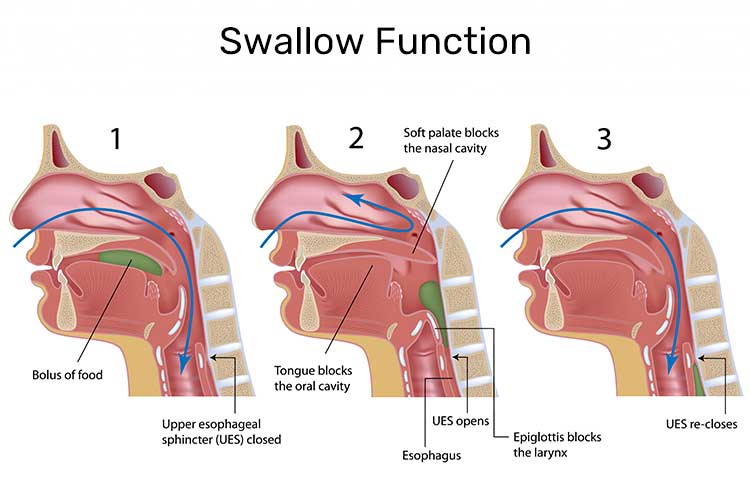
- Understanding makeup and physiology pertaining to swallowing. Learning concerning typical causes and symptoms. Practicing safe feeding techniques. Recognizing signs of aspiration.
Unlocking Experience: A Comprehensive Dysphagia Training Course for Nurses
Course Objectives
The main goal of this comprehensive training program is to make certain nurses are well-prepared to recognize and take care of dysphagic individuals properly.
Course Educational program Overview
Introduction to Ingesting Mechanisms Patient Evaluation Techniques Nutritional Considerations Safe Feeding Strategies Emergency Reaction ProtocolsDysphagia Treatment Training: Crucial Abilities for Medical Care Professionals
Assessment Strategies in Dysphagia Management
Accurate analyses are crucial in determining dysphagic signs and symptoms early. Educating ensures that nurses can perform comprehensive evaluations using standardized methods.
Implementing Safe Feeding Strategies
Effective feeding approaches can significantly decrease the threat of issues associated with dysphagia. This section will certainly cover methods like correct positioning and food texture modifications.

Dysphagia Support Resources Available to Nurses
Collaboration with Speech-Language Pathologists (SLPs)
Understanding when to refer patients to SLPs is important in providing detailed care for those with ingesting difficulties.
Utilizing Area Resources for Recurring Support
Nurses are encouraged to familiarize themselves with neighborhood resources that offer recurring assistance for both themselves and their people taking care of dysphagia.
The Function of Modern technology in Dysphagia Training Courses
Innovative Understanding Equipment for Improved Understanding
The usage of innovation such as simulation training help can improve discovering experiences significantly.
Online vs In-Person Training Options
Both layouts have their benefits; nevertheless, online programs may offer even more adaptability while in-person sessions provide hands-on experience.
Evaluating the Efficiency of Dysphagia Training Courses
Feedback Mechanisms Post-Training
Gathering responses from individuals helps refine course web content continuously and guarantees relevance in real-world applications.
Long-Term Advantages of Continual Education on Dysphagia Management
Continued expert growth promotes confidence among nurses when resolving intricate situations involving dysphagic patients.
FAQs Regarding Dysphagia Training Courses
1. What is consisted of in a typical dysphagia training course?
A basic course typically covers assessment techniques, risk-free feeding practices, dietary considerations, and emergency feedback methods especially customized for nursing staff.
2. How long does a typical dysphagia training course take?
Duration differs however many courses cover anywhere from someday to numerous weeks depending on deepness and emphasis locations covered.
3. Are there any requirements required prior to enrolling?
Normally speaking, basic nursing qualifications are called for; nevertheless, previous experience in geriatric or corrective treatment can be beneficial.
4. Exactly how do I discover trustworthy dysphagia training courses?
Research study establishments recognized for their nursing programs or consult expert nursing companies that concentrate on continuing education opportunities connected to swallowing disorders.
5. What certifications do I obtain after completion?
Upon effective completion of a detailed program, participants commonly obtain a certification suggesting their effectiveness in managing patients with dysphasia effectively.
6. Can I use what I've found out immediately after completing the course?
Absolutely! The majority of individuals find they can carry out brand-new techniques right away during their daily method which enhances person care promptly complying with completion.
Conclusion
In conclusion, the landscape bordering dysphasia administration is advancing quickly as more healthcare professionals acknowledge its importance within individual care frameworks. The Unlocking Experience: A Comprehensive Dysphagia Training Course for Nurses stands apart as a critical resource aimed at cultivating quality among nursing team taking care of this complex issue. By gearing up registered nurses with advanced knowledge and practical abilities with specialized training programs focused on efficient assessment strategies and secure feeding practices-- healthcare providers can significantly boost results for individuals dealing with dyslexia-related challenges.